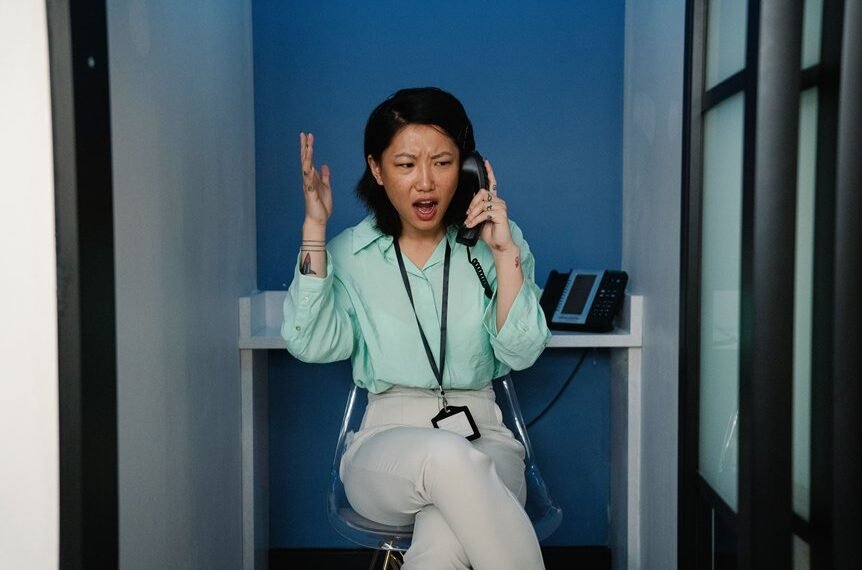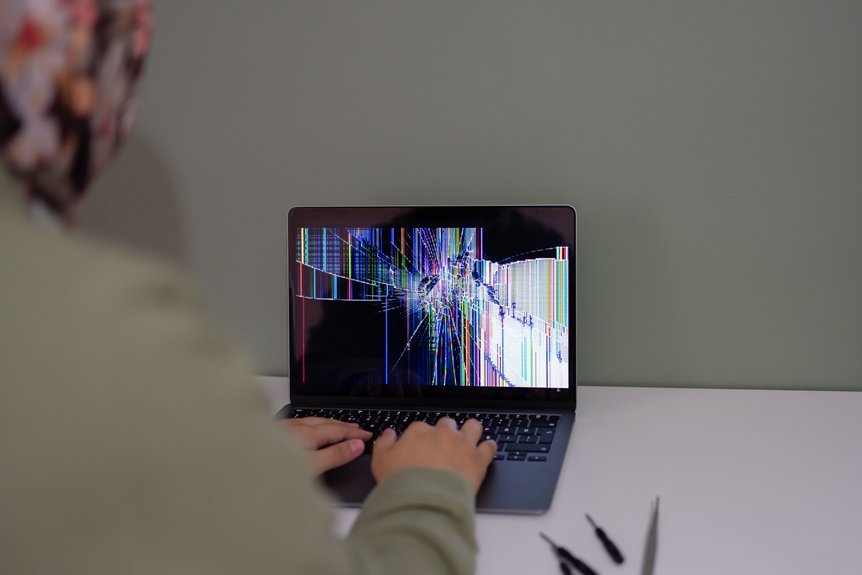
A practical troubleshooting plan for 8555572026 and common concerns outlines a disciplined approach. It begins with identifying observable symptoms and selecting high-impact quick wins to gain early momentum while preserving user autonomy. It then verifies settings and baselines against standards, using reproducible checks. A structured, evidence-driven flow isolates likely causes and documents every decision. Finally, fixes are validated against baselines to prevent recurrence, and sustained improvement relies on ongoing monitoring and clear documentation that invites further evaluation.
Identify Symptoms and Prioritize Quick Wins
Identifying symptoms and prioritizing quick wins involves a structured, objective assessment of the system’s observable issues. The process identifies prevalent faults, gauge impact, and catalog frequencies. It emphasizes actionable steps, not diagnoses alone. By highlighting high-leverage fixes, teams can secure momentum.
identify symptoms, prioritize wins, and align stakeholders toward timely improvements while preserving overall system integrity and user autonomy.
Verify Settings and Baseline Performance
To verify settings and establish a baseline performance, the team systematically reviews configuration parameters, access controls, and system defaults to ensure they align with documented standards and operational requirements.
The approach emphasizes reproducibility and traceability, documenting deviations and validating impact on baseline performance.
Results inform adjustments, verify settings consistency, and support ongoing monitoring, reporting, and freedom to optimize processes without ambiguity.
Isolate Causes With a Structured Troubleshooting Flow
A structured troubleshooting flow begins by framing the problem, outlining measurable symptoms, and establishing a logical sequence of investigative steps. The detached narrative defines isolate causes within a disciplined, structured workflow, enabling objective assessment and repeatable analysis. It emphasizes disciplined documentation and traceable decisions, ensuring investigators pursue root factors efficiently while maintaining freedom to adapt methods as evidence unfolds. cause mapping, flow diagram
Validate Fixes and Prevent Recurrence
After confirming the causes through the structured troubleshooting flow, the next step concentrates on validating implemented fixes and preventing recurrence.
The process identifies symptoms, prioritizes quick wins, and verifies settings.
It compares against baseline performance to ensure stability, isolates causes failing to reoccur, and documents evidence.
This disciplined approach sustains outcomes through structured troubleshooting and continuous improvement.
Frequently Asked Questions
How Do I Contact Support for 8555572026?
The user should contact support by following official channels associated with the service. Contact support to obtain direct assistance; be mindful of privacy implications when sharing information. This approach respects user autonomy while safeguarding data and transparency.
What Are the Privacy Implications of Using This Number?
Privacy concerns arise from using this number due to potential data collection by providers and third parties; users should expect limited transparency regarding handling, storage, and sharing of personal information within call, metadata, and interaction records.
Are There Costs Associated With Resets or Diagnostics?
There may be costs for resets and diagnostics; specifics depend on the service or provider. The process may involve data collection, and potential fees vary. Readers seeking freedom should verify pricing terms before proceeding and request transparent disclosures.
Can I Troubleshoot Without Internet Access?
Offline troubleshooting is possible. The analyst presents privacy focused diagnostics and practical steps. Troubleshooting offline prioritizes stable procedures and secure data handling, enabling freedom-loving users to proceed without internet access while maintaining clarity, structure, and cautious confidence.
What Data Is Collected During Diagnostics?
Diagnostics data collected typically includes device status, error codes, performance metrics, and usage patterns; privacy concerns center on data minimization, secure transmission, and accessible controls. The report emphasizes transparency and user autonomy over collected diagnostics data and privacy concerns.
Conclusion
In a quiet harbor, a ship named 8555572026 faced a sudden squall. The crew followed a seasoned map: shadow the symptoms, chart quick wins, and verify every gauge against a trusted star. They traced a fault like a calm river to its source, then patched it with durable care. After the weather cleared, performance returned to the baseline, and steady watchfulness kept storms at bay. The voyage pressed on, disciplined, informed, and ready for the next horizon.