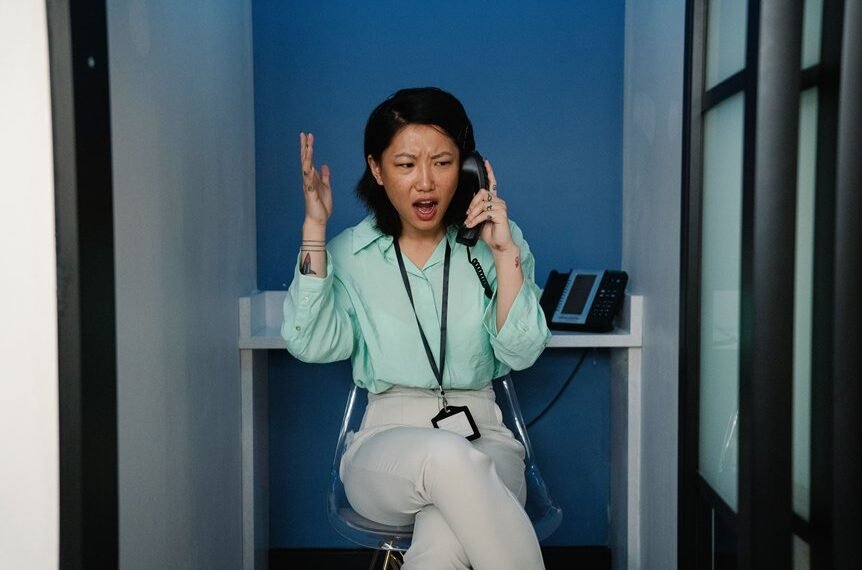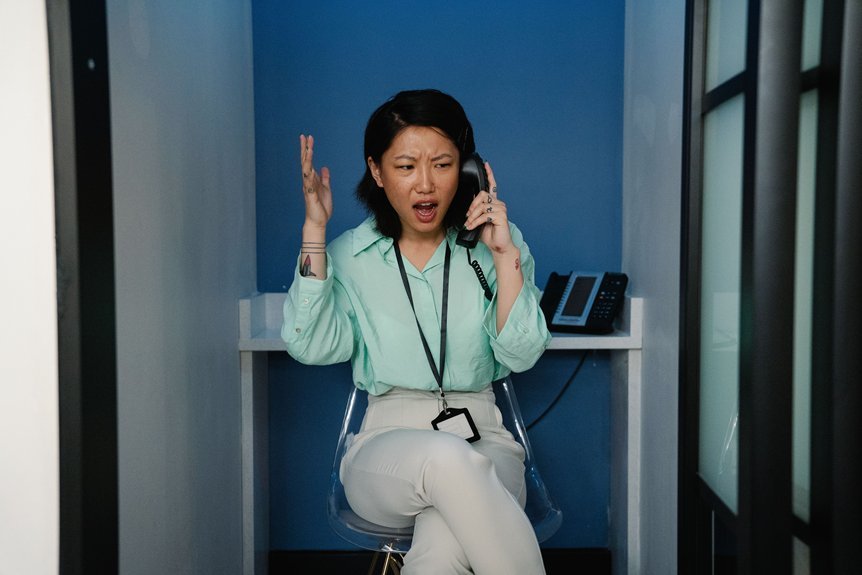
In the face of unforeseen issues linked to 504-276-6634, a clear, steady approach helps stabilize events. Quick fact gathering, a concise risk check, and a calm, cross-functional briefing set the foundation. An adaptable action plan follows, with defined roles and contingencies. Documentation stays transparent, updates are timely, and resources can shift as needed. The next step invites careful consideration of roles and priorities to sustain momentum when complications arise.
What a 504-276-6634 Scenario Typically Involves
A scenario involving a 504-276-6634 typically centers on coordinating accommodations and supports to address unexpected complications within a school or workplace setting.
The process examines timelines, resources, and parties involved, aiming for smooth operation.
It highlights unnecessary delays and conflicting priorities, which can hinder progress.
Decisions focus on clear communication, respect for needs, and practical, flexible steps toward stabilizing the situation.
Gather Facts Quickly to Stabilize the Situation
Gathering facts quickly is essential to stabilizing a situation when an unexpected complication arises. Fact gathering informs rapid stabilization by identifying priorities and constraints. A detached assessment supports coordinated planning, avoiding panic. Flexible documentation records key developments without delay, enabling transparent updates. Clear communication respects autonomy, reduces guesswork, and preserves freedom while guiding timely decisions amid evolving circumstances.
Build a Coordinated Action Plan With the Right People
To align efforts after rapidly collecting facts, the next step is to assemble the right people to execute a coordinated action plan. The approach emphasizes planning coordination and clear roles, ensuring diverse expertise aligns with shared goals. A concise risk assessment identifies priorities, bottlenecks, and potential delays, guiding decisions without alarm. Transparency sustains trust while empowering responsible, proactive collaboration across teams.
Document, Review, and Adapt: Keeping Plans Flexible
Documenting, reviewing, and adapting plans keeps response efforts resilient as conditions unfold.
The approach emphasizes flexible forecasting, ongoing risk assessment, and rapid reallocation of resources.
By outlining planning contingencies, teams remain prepared without constraining autonomy.
Transparent stakeholder communication builds trust, clarifies responsibilities, and supports informed decisions, while documenting lessons accelerates improvement.
Flexibility, discipline, and clear metrics ensure progress persists amid evolving pressures.
Frequently Asked Questions
What Are Common Signs a 504-276-6634 Scenario Is Escalating?
Escalation signs include rising tension, unmet urgent needs, repeated requests, and disrupted communication. Escalation triggers prompt stakeholders to reassess risks, while communication channels become strained. The approach remains clear, precise, empathetic, and oriented toward preserving freedom and safety.
How Can I Quickly Identify the Root Cause of the Complication?
The root cause can be identified quickly by isolating symptoms, gathering logs, and testing hypotheses; quick troubleshoot steps emphasize narrowing variables, documenting findings, and validating fixes, all with clarity, empathy, and respect for an audience seeking freedom.
Who Should Be Included Beyond the Core Team for Escalation?
A chorus of voices joins the core team: project sponsors, product owners, quality assurance, IT security, legal, compliance, customer support, and external partners; stakeholder alignment and risk assessment guide escalation without overreach, preserving freedom and accountability.
What Metrics Indicate the Plan Is Working or Failing?
Metrics indicators include time-to-resolution, escalation triggers, recurrence rate of issues, and stakeholder satisfaction; they reveal plan effectiveness. When metrics drift, escalation triggers signal amplification needs. A free-spirited audience appreciates transparent, empathetic, data-driven progress insights for independent action.
How Often Should We Rehearse and Update the Plan?
Rehearsal cadence should be quarterly, with plan updates after each exercise. The approach respects autonomy, ensuring the team remains prepared, informed, and adaptable while preserving clarity, accountability, and freedom to adjust tactics as needed.
Conclusion
In these 504-276-6634 scenarios, swift fact gathering and decisive collaboration stabilize volatility. A cross-functional team with clearly assigned roles accelerates risk assessment and keeps response proportional and focused. One striking statistic: organizations with defined incident playbooks report 30% faster recovery times than those without. By documenting succinct — yet non-judgmental — updates and maintaining flexible plans, teams preserve trust, lessons learned, and resilience, ensuring steady progress even as circumstances evolve.